




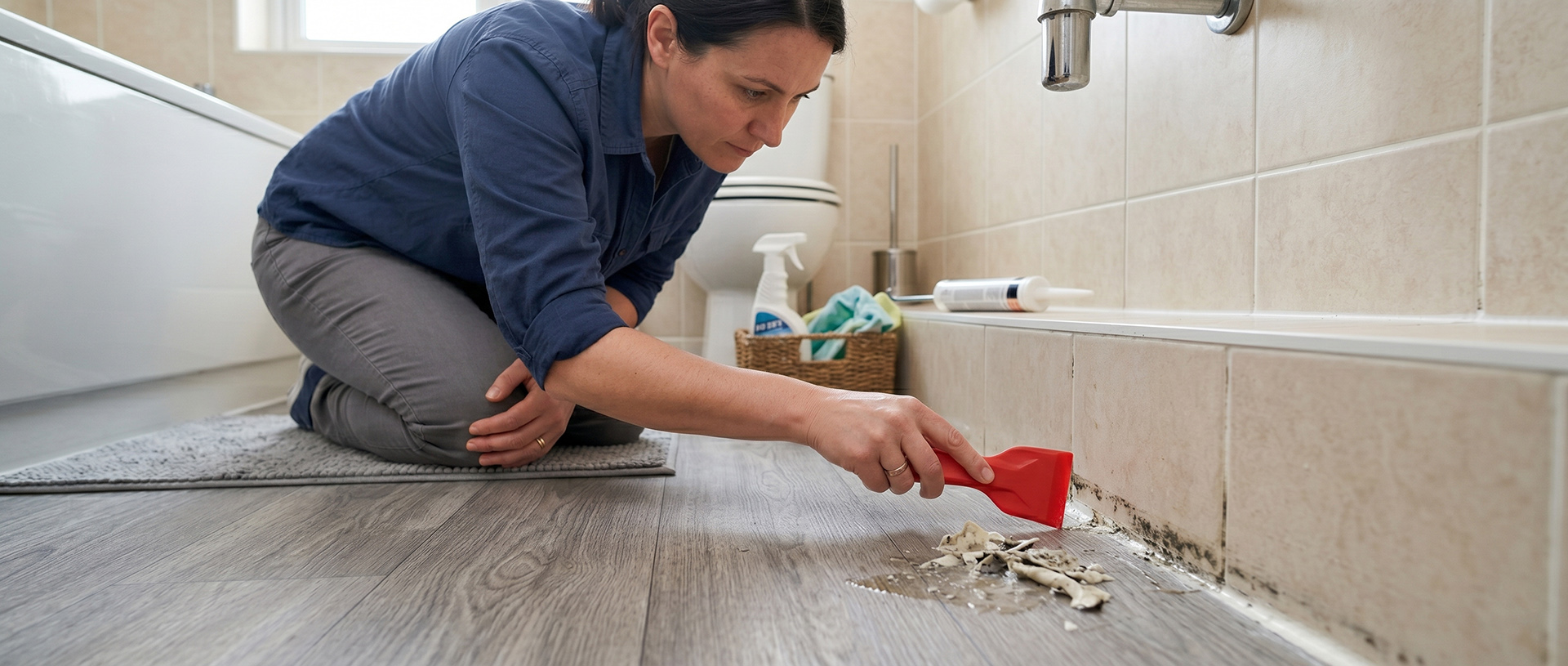
Old, discoloured or mouldy silicone sealant around your skirting boards or bathroom tiles can quickly ruin the look of a room. If you are wondering how to remove silicone sealant without damaging your floors or walls, you are in the right place. Whether you are replacing the waterproof seal around a bathtub, updating your floor edge trims, taking the old material off correctly is a crucial first step.
This guide will walk you through the entire process, empowering you to tackle this DIY job with confidence and achieve a clean, professional finish.
Jump to Section
- The Best Tools for How to Remove Silicone Sealant
- Step-by-Step Guide: How to Remove Silicone Sealant
- Preparing the Surface After Cleaning
- Avoiding Mistakes When You Learn How to Remove Silicone Sealant
- Ready for the Next Step?
The Best Tools for How to Remove Silicone Sealant
Having the right equipment is the first, and most important step when learning how to remove silicone sealant. Having the correct tools on hand will save you time, prevent frustration, and protect your surfaces from accidental scratches.
Before you begin, ensure you have the following items:
- A sharp utility knife or Stanley knife
- A dedicated sealant scraper tool (plastic is preferred to prevent scratching)
- Commercial sealant remover gel or liquid
- Tweezers or needle-nose pliers for pulling stubborn bits
- A sponge, warm water, and a rough cloth
- Safety gloves to protect your hands from chemicals and sharp blades
Using the correct scraper is especially important if you are working near delicate surfaces like scotia beading or freshly laid real wood, laminate or vinyl floors.
Step-by-Step Guide: How to Remove Silicone Sealant
The simple steps below are the best method for removing silicone sealant. Always remember! Rushing the job often leads to bits of old silicone sealant being left behind, which will ruin the seal of your fresh application.
Follow these simple steps for a pristine finish:
- Apply a Sealant Remover: Start by applying a commercial sealant remover over the old bead. Leave it to sit for the manufacturer’s recommended time (usually between two to three hours). This softens the chemical bonds and makes the entire job much easier.
- Cut the Edges: Take your utility/Stanley knife and very carefully run it along both the top and bottom edges of the old silicone sealant line. Keep the blade flat against the wall or floor to avoid slicing into your flooring or door bars.
- Scrape it Away: Take your plastic scraper and push it firmly beneath the loosened silicone sealant. Lift it away from the surface in long, steady strips. If it resists, apply a little more remover gel and wait.
- Pull the Remnants: Use your tweezers or pliers to grab and pull away any tiny, stubborn fragments clinging to the corners or deep inside the expansion gap.
Preparing the Surface After Cleaning
Once you have successfully removed the silicone sealant, you cannot just apply the new layer immediately. The surface must be perfectly clean and dry, or the new bead will fail to adhere properly and will quickly peel away.
Take a rough cloth dipped in warm, soapy water and scrub the area vigorously to lift away any leftover chemical residue from the remover gel. Wipe it down with a dry towel and let the room air out entirely. It is highly recommended to wait at least 24 hours to guarantee the gap is bone dry before you begin applying fresh silicone sealant around your trims.
Avoiding Mistakes When You Learn How to Remove Silicone Sealant
Many DIY’ers rush the process when figuring out how to remove silicone sealant, leading to easily avoidable damage. The most common mistake is using a metal scraper or a flathead screwdriver on delicate materials. Metal will easily scratch ceramic tiles, gouge wood and laminate flooring, and permanently mark vinyl surfaces. Always opt for a heavy-duty plastic scraper.
Another frequent error is failing to remove every last trace of the old material. Even a tiny, millimetre-thick film of old silicone sealant will prevent the new layer from creating a watertight seal. Take your time, use adequate lighting, and inspect the joint closely before you declare the job finished.
Ready for the Next Step?
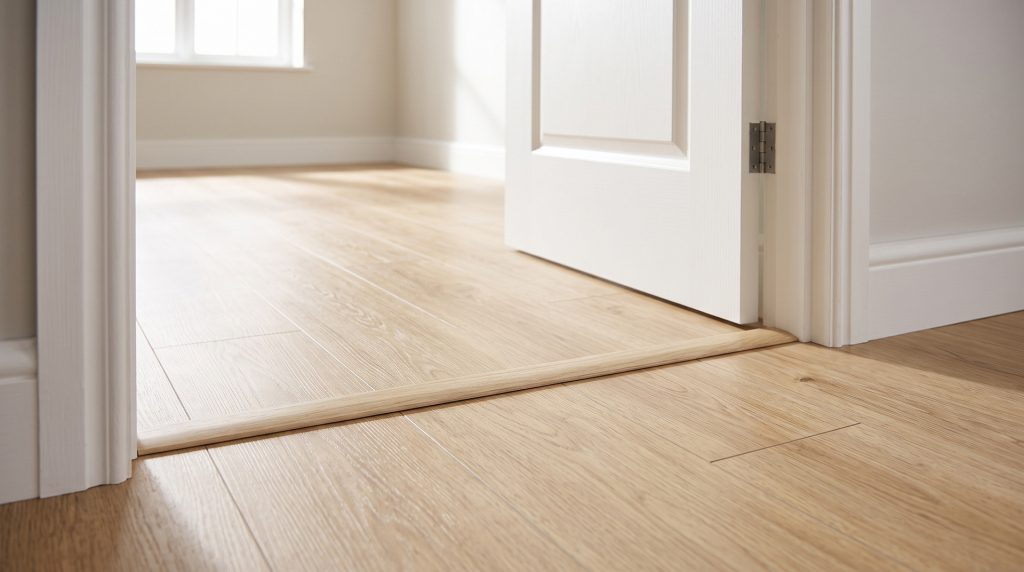
Now that you know exactly how to remove silicone sealant, it is time to finish the job. Whether you are sealing up a new bathroom floor or adding the final touches to your hallway transitions, having the right accessories makes all the difference.
Remember, at All-In-All Flooring Accessories, we offer free delivery on qualifying orders, making it the perfect time to stock up on all your fitting supplies and finishing touches!



Comments are closed.